
About Lyon
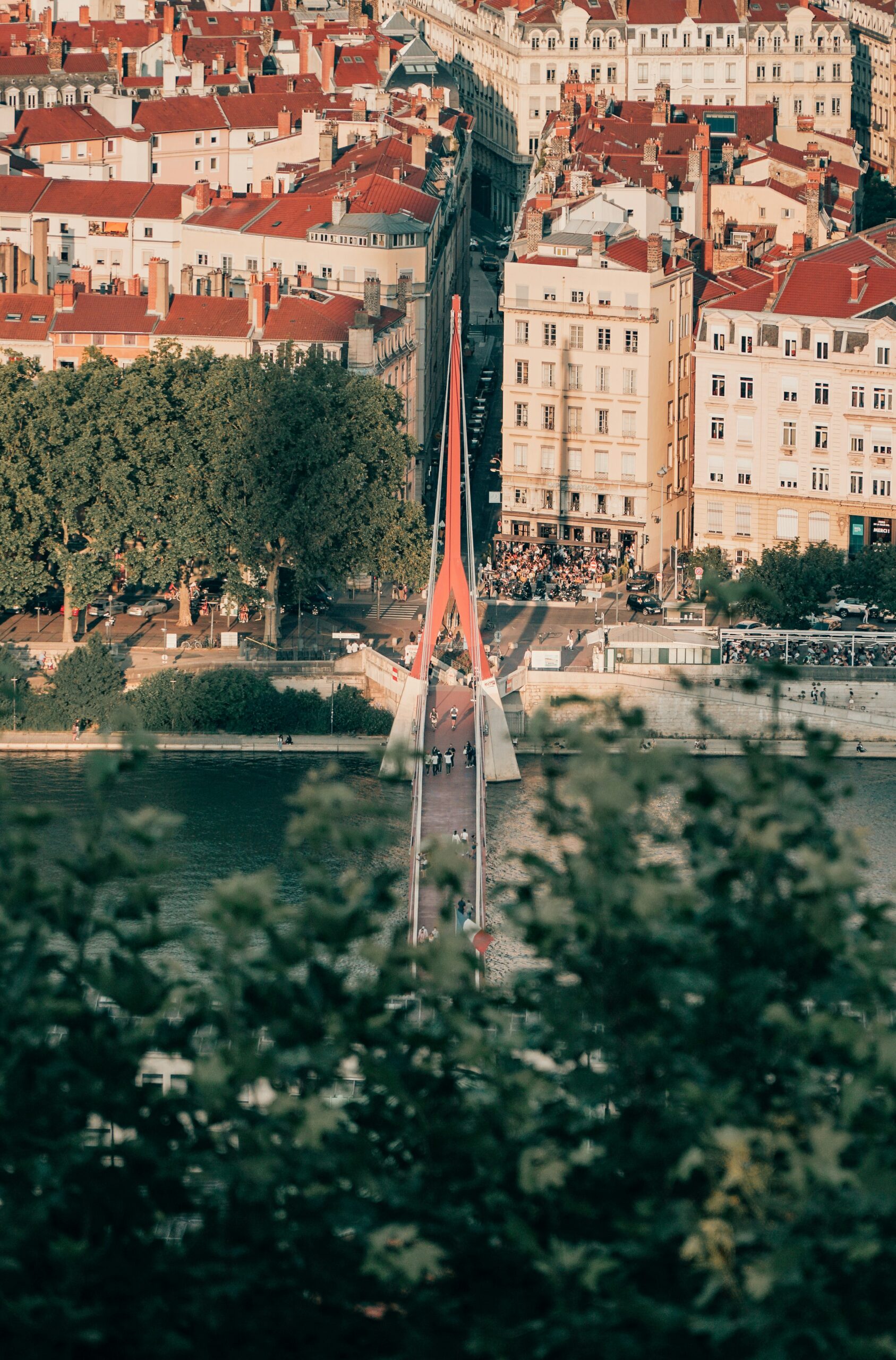
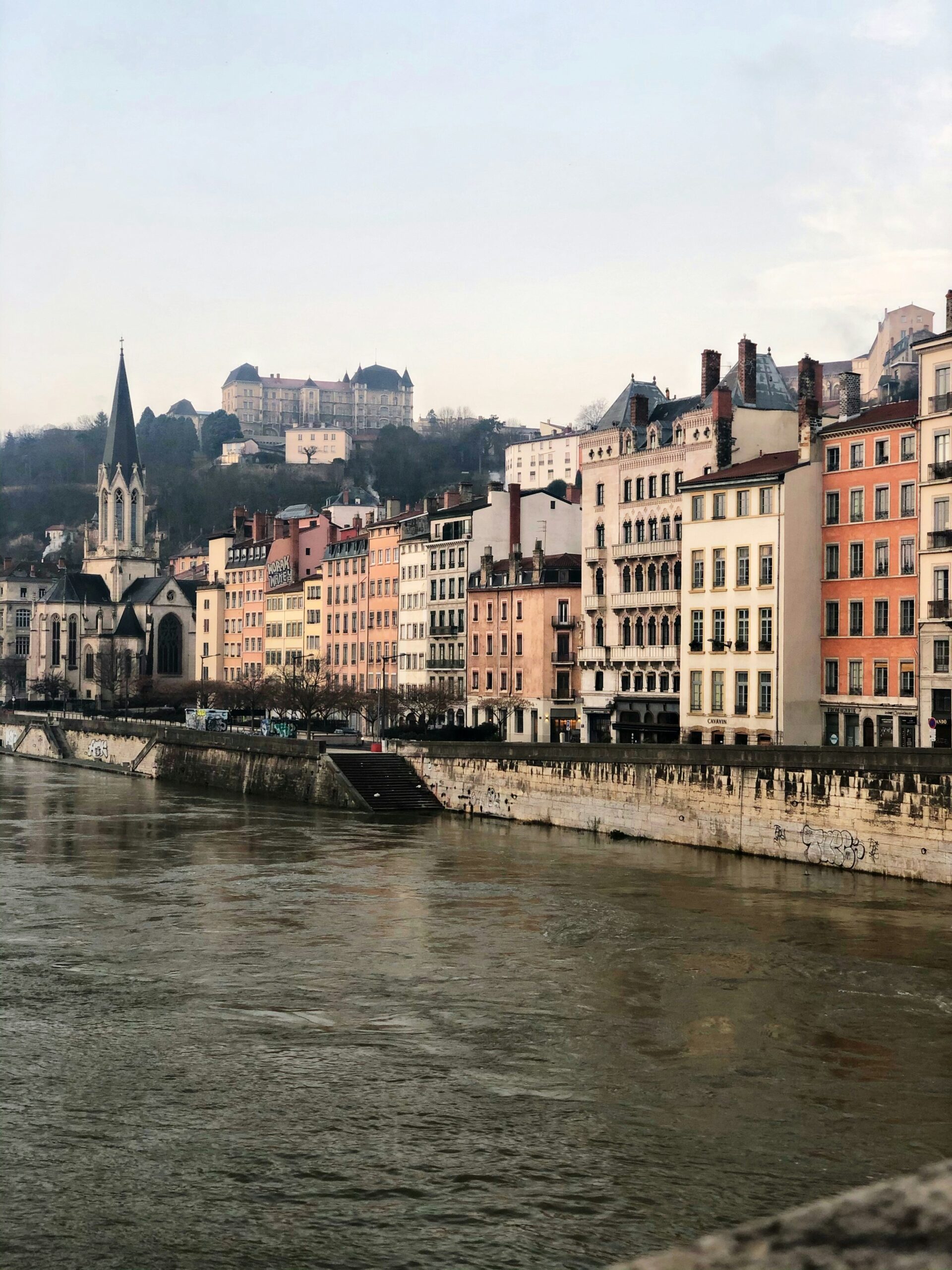
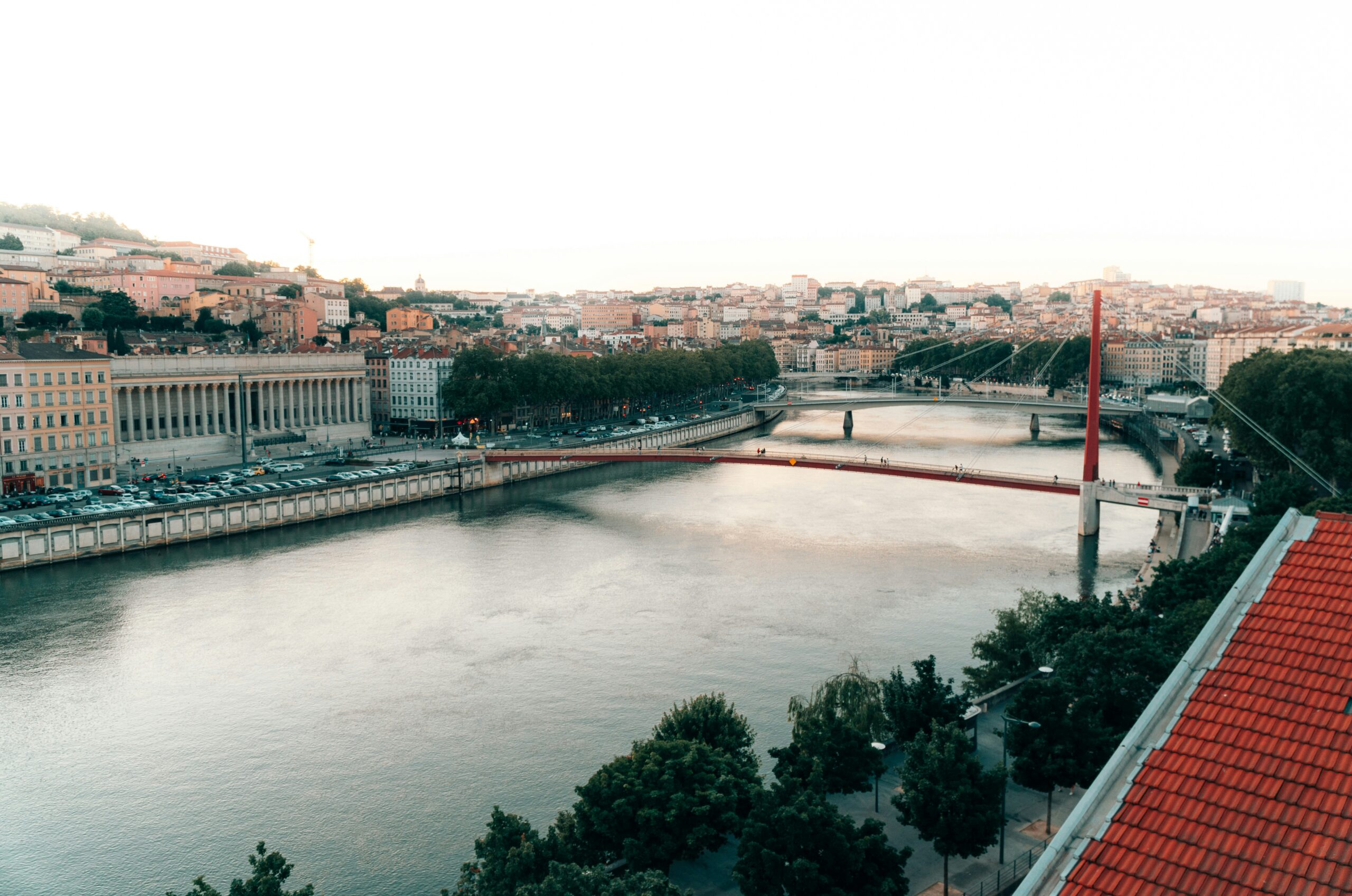
Lyon is the third-largest city in France and a major cultural, historical, and economic center, located in the east-central part of the country at the confluence of the Rhône and Saône rivers. Long regarded as a crossroads of Europe, Lyon has played a pivotal role in trade, industry, and ideas for over two millennia.
Often described as the capital of gastronomy and a city of hidden passageways and layered history, Lyon blends Roman foundations, Renaissance elegance, and contemporary innovation. Its compact historic core, dynamic neighborhoods, and strong local identity make it one of France’s most distinctive and admired cities.
History
Lyon’s history dates back to 43 BCE, when it was founded by the Romans as Lugdunum, the capital of Roman Gaul. From this early period, Lyon became a major administrative, political, and religious center, leaving behind important archaeological remains that still shape the city today.
During the Middle Ages and Renaissance, Lyon flourished as a hub of banking, printing, and international trade, attracting merchants and intellectuals from across Europe. In the 19th century, the city became synonymous with silk production, and the struggles of silk workers (the Canuts) played a key role in the development of modern labor movements.
Throughout the 20th century, Lyon expanded as an industrial and academic center while preserving its historic neighborhoods. Today, it is celebrated for successfully balancing heritage conservation with urban renewal.
Culture & Society
Lyon is one of France’s most important cultural capitals. It has a rich tradition in literature, cinema, and the visual arts, and is the birthplace of cinema thanks to the Lumière brothers. The city’s cultural life is deeply rooted in local traditions, from neighborhood markets to seasonal festivals.
Lyon is internationally renowned for its cuisine, with its famous bouchons (traditional restaurants) and a culinary legacy that has influenced chefs worldwide. Its neighborhoods — from the Renaissance streets of Vieux Lyon to the creative energy of Croix-Rousse — reflect a city shaped by both craftsmanship and innovation.
Today, Lyon hosts major cultural events, including the globally famous Fête des Lumières, which transforms the city into a canvas of light and art each winter.
Landmarks & Heritage
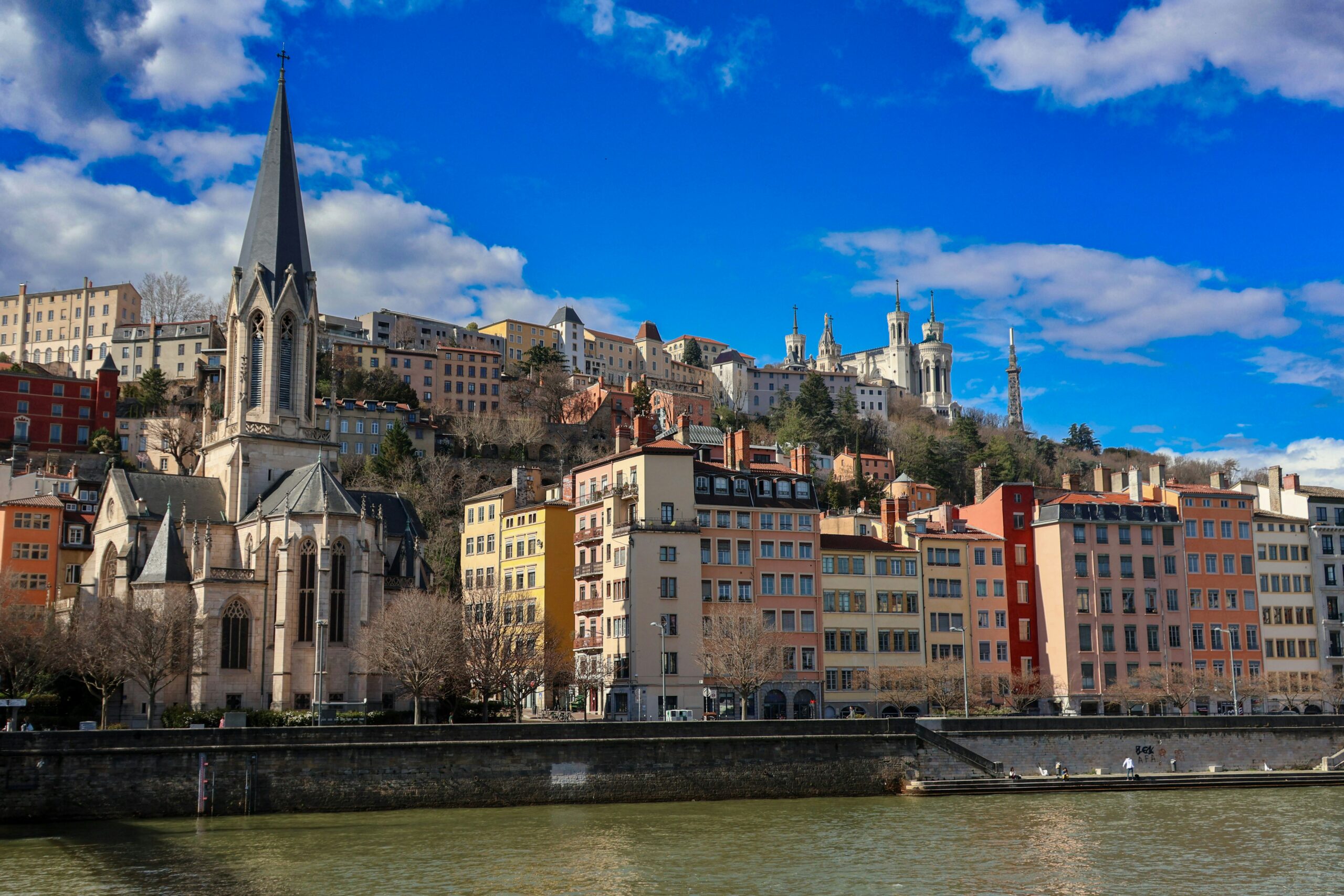
Lyon’s urban landscape reflects its long history, from Roman antiquity to modern architecture. Key highlights include:
-
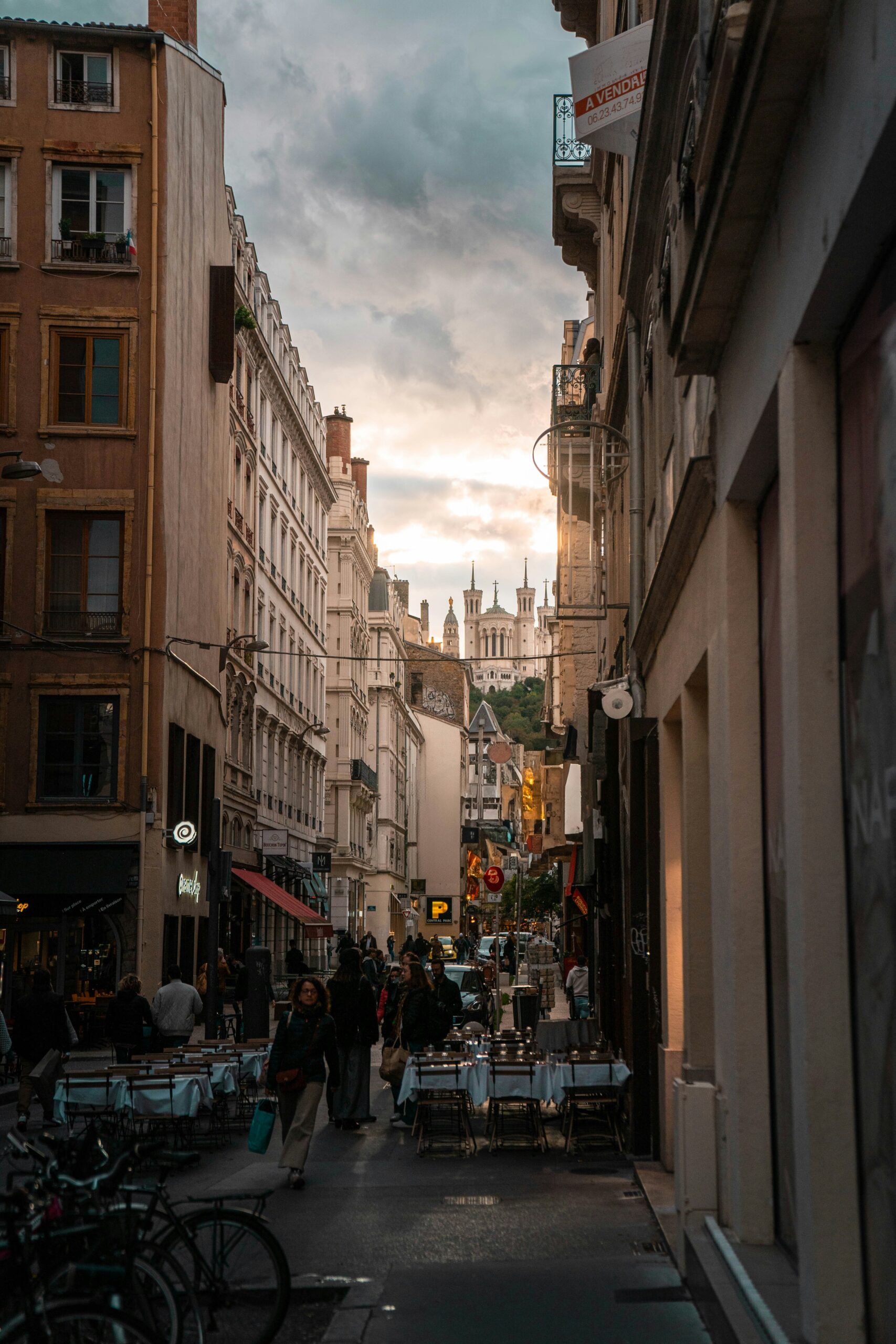
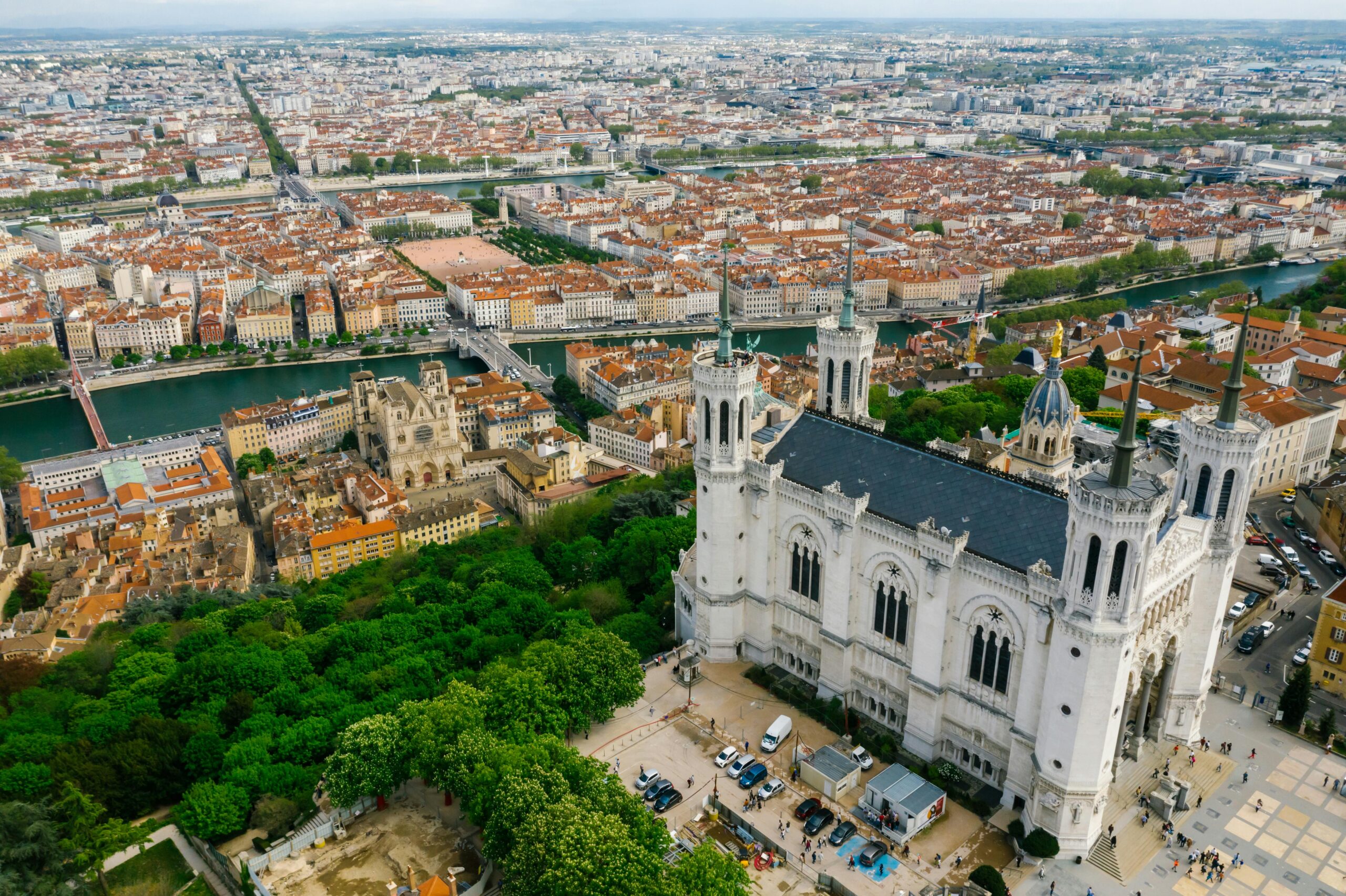
Basilica of Notre-Dame de Fourviere – A hilltop basilica offering panoramic views and symbolizing the city’s spiritual heritage.
-
Vieux Lyon – One of Europe’s largest Renaissance districts, known for its cobbled streets and traboules (hidden passageways).
-
Roman Theatres of Fourviere – Remains of Lyon’s Roman past, still used today for cultural performances.
-
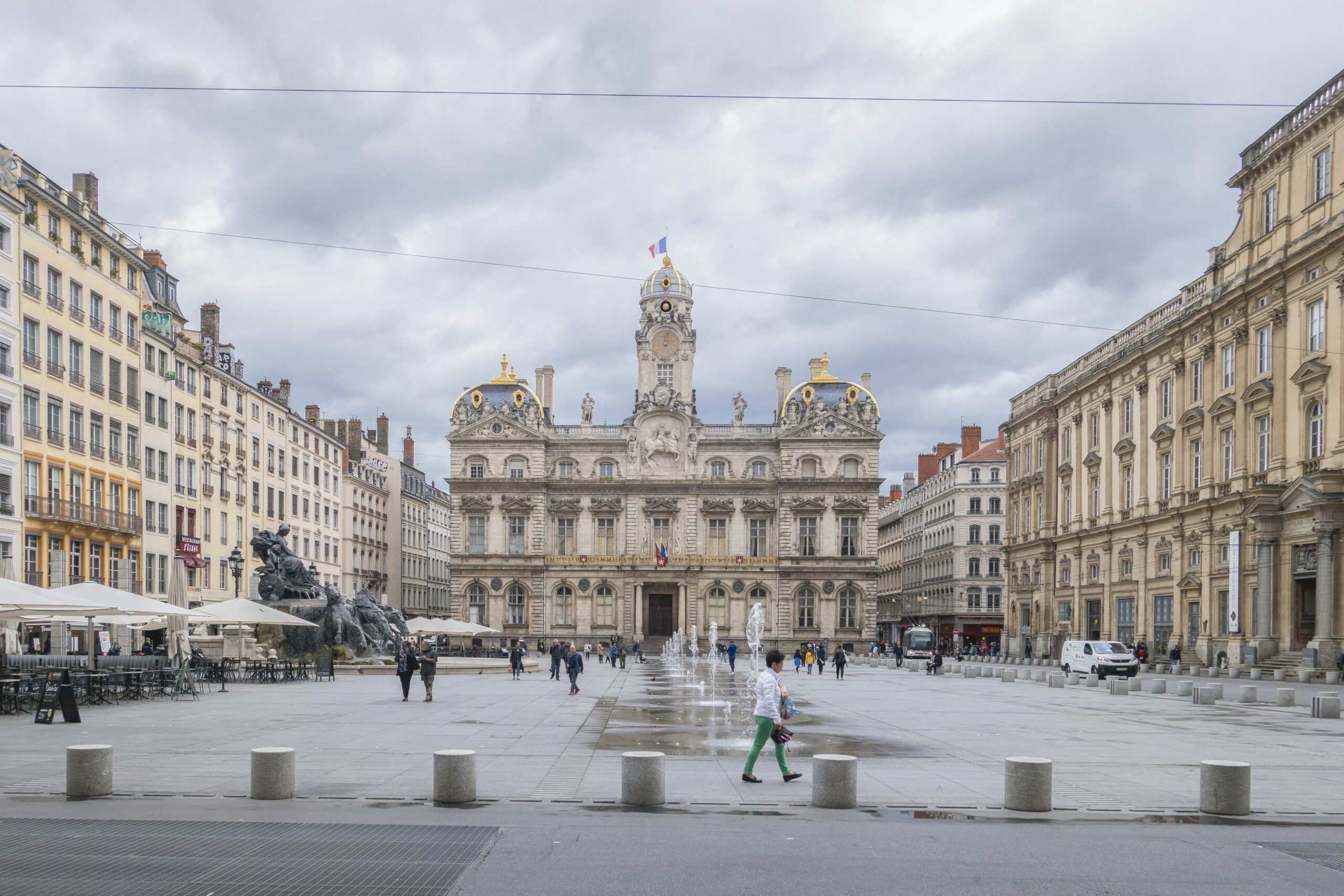
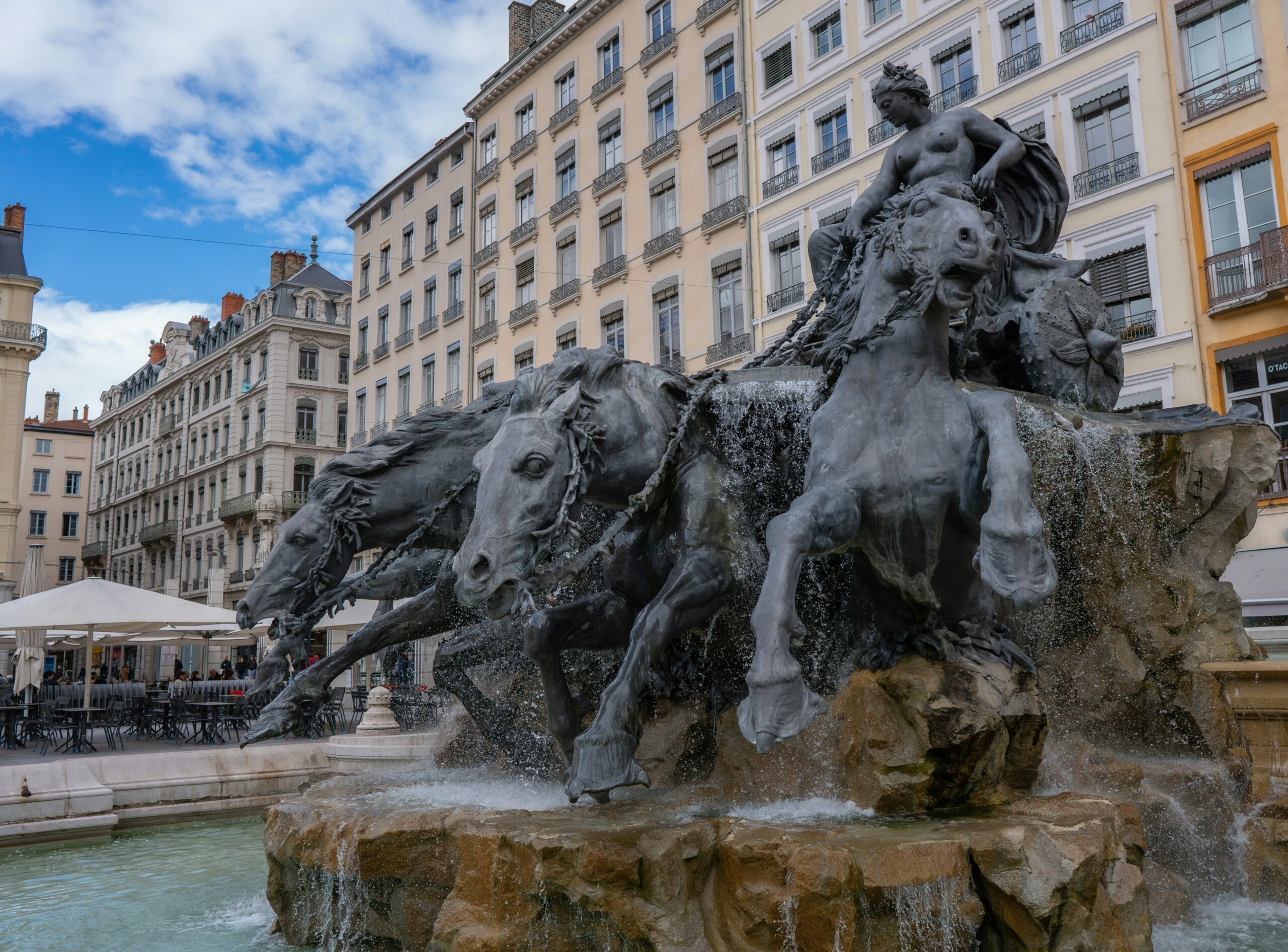
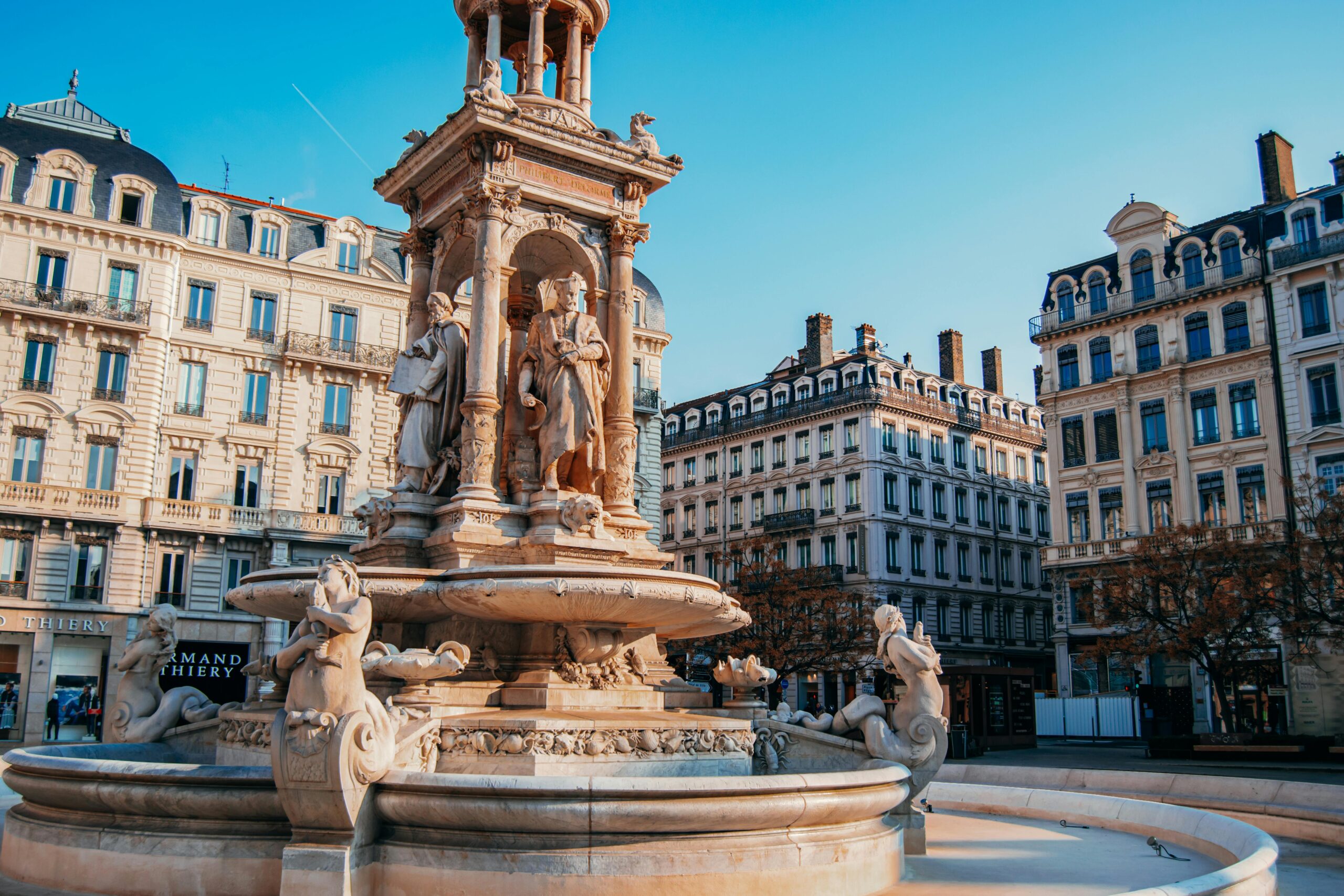
Presqu’ile – The heart of the city, home to grand squares, shopping streets, and 19th-century architecture.
-
Confluence District – A contemporary redevelopment area showcasing modern design and sustainable urban planning.
Large portions of Lyon’s historic center are designated as a UNESCO World Heritage Site, recognizing the city’s exceptional continuity of urban development.
City Today
Modern Lyon is a thriving European metropolis and one of France’s leading centers for business, education, and research. It is particularly strong in biotechnology, pharmaceuticals, digital industries, and higher education, hosting a large student population and international workforce.
The city’s identity is defined by balance: tradition alongside innovation, historic neighborhoods beside bold modern architecture. Lyon’s strategic location, high quality of life, and strong cultural scene continue to attract residents and visitors from around the world.
Fun Facts & Identity
- Lyon is widely known as the gastronomic capital of France, deeply influencing French cuisine.
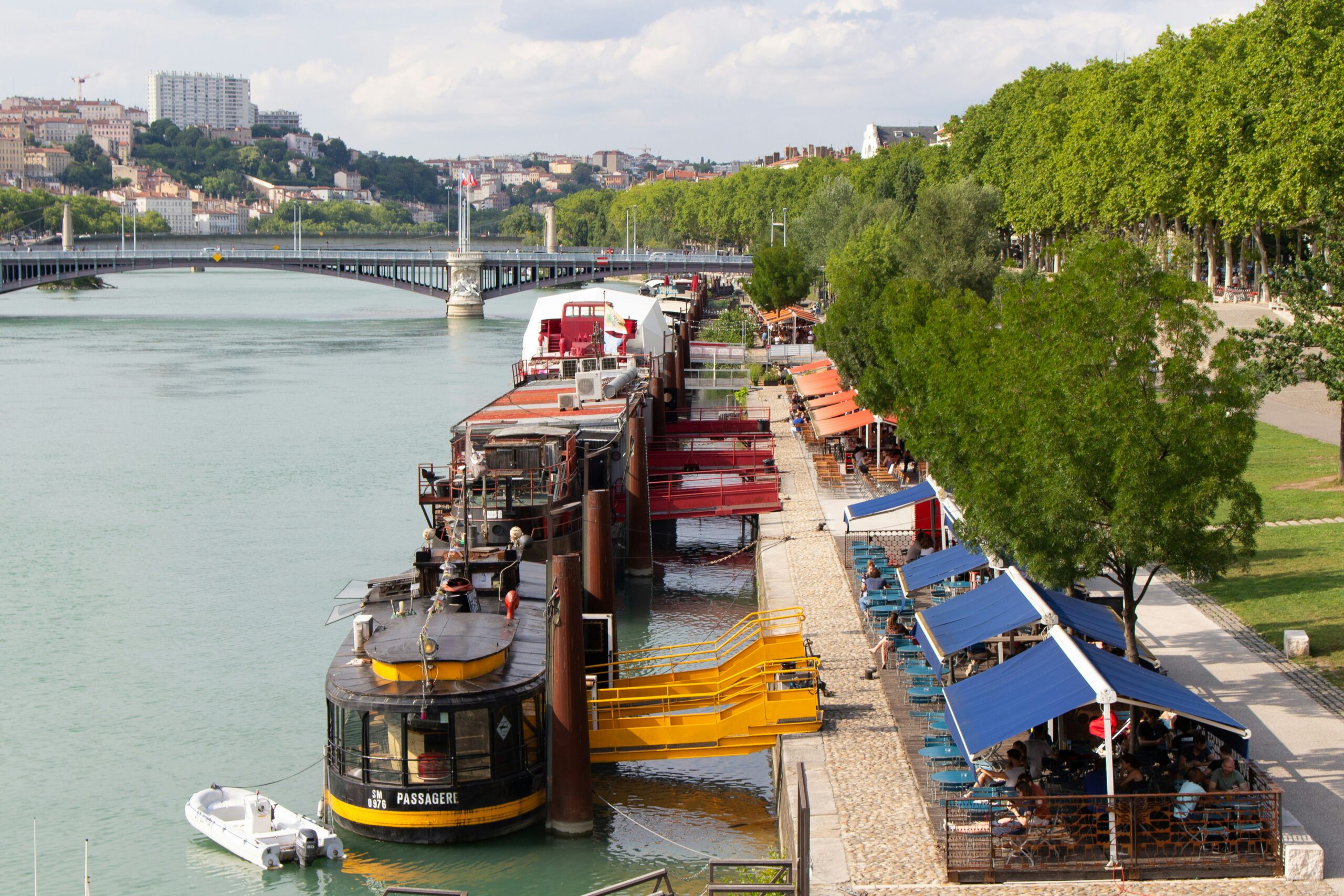
- The city lies at the meeting point of two major rivers, shaping its geography and history.
- Lyon is divided into 9 arrondissements, each with a distinct atmosphere and character.
- Its network of traboules once allowed silk workers to transport goods sheltered from the weather.
Lyon stands as a city of layers — Roman, Renaissance, industrial, and modern — offering a rich, lived-in history that continues to evolve while remaining unmistakably its own.
Lyon Captital of gastronomy – For an unforgettable culinary journay